
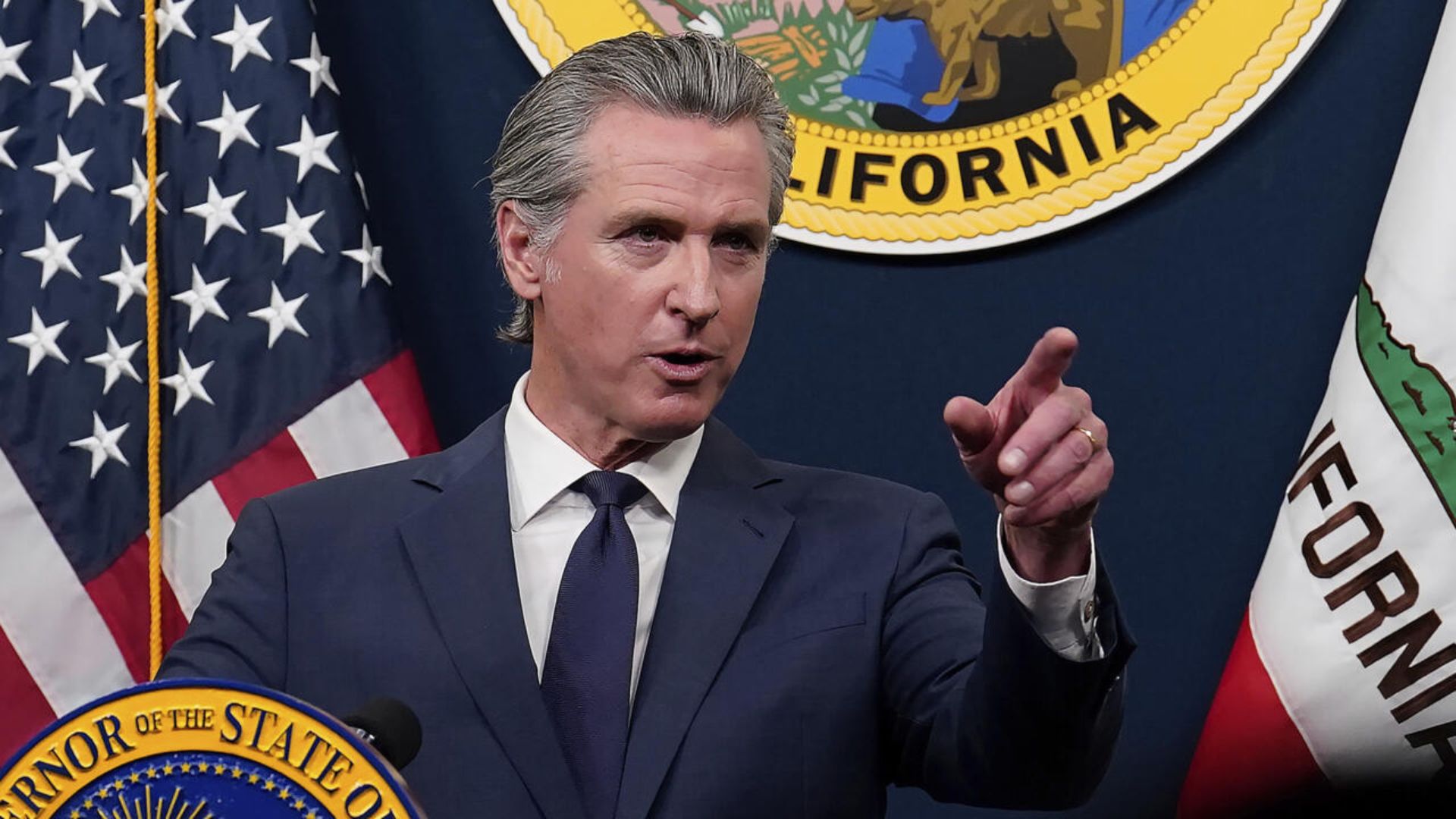
Gavin Newsom is one of the most influential state leaders in modern American politics. As the 40th Governor of California his time in office has been marked by ambitious policies visible leadership during crises and an effort to shape California as a model for economic strength and social progress. His governance style combines pragmatic administration with bold political action earning both praise and criticism across the political spectrum.
Early Life and Political Beginnings
Born on October 10, 1967, in San Francisco Newsom grew up in a family with deep California roots. He studied political science at Santa Clara University before entering the business world where he founded a small hospitality venture that later expanded across the state. This entrepreneurial experience gave him a practical understanding of economic systems and local communities.
His early political career began in the 1990s when he served on local commissions and later joined the San Francisco Board of Supervisors. These formative roles helped him understand public administration community issues and the mechanics of governance at the city level.
Newsom as Mayor of San Francisco
In 2003, Newsom became the youngest mayor of San Francisco in nearly a century. His time as mayor brought him national recognition for bold and controversial decisions. Most notably he authorized the issuance of marriage licenses to same-sex couples igniting national debate and contributing to a broader shift in public policy across the United States.
Beyond that landmark moment Newsom addressed urban challenges including homelessness infrastructure modernization and local economic development. His leadership during this period reflected a willingness to challenge norms while focusing on practical urban solutions.
Lieutenant Governor and Career Growth
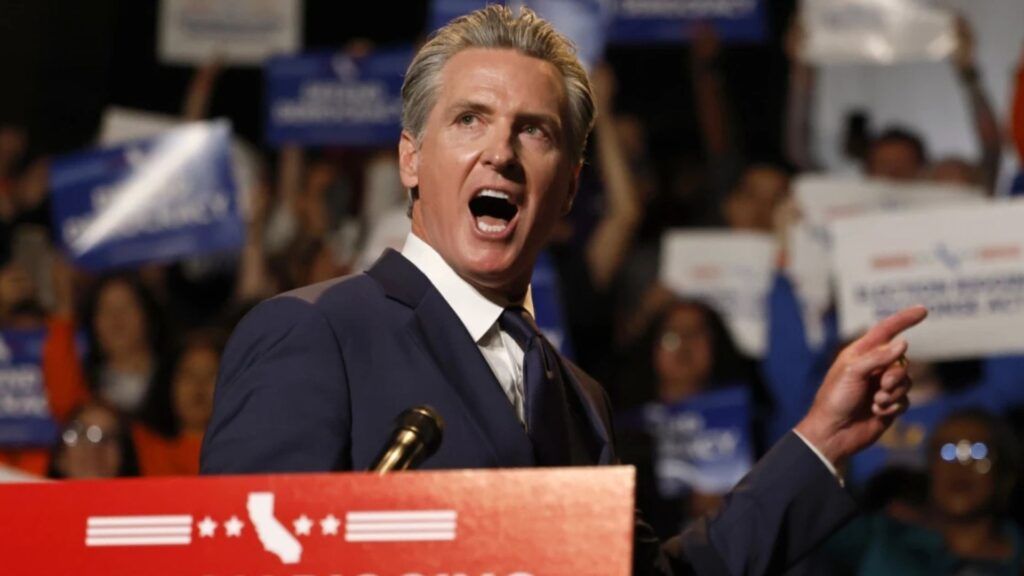
Newsom was elected Lieutenant Governor of California in 2010 and re-elected in 2014. This statewide role expanded his influence and prepared him for a gubernatorial campaign. During this period, he emphasized education economic opportunity and civil rights building relationships throughout the state’s diverse political landscape.
Serving as lieutenant governor allowed him to engage with broader state issues and refine his policy priorities before stepping into the governorship.
Governor of California: Vision and Policy Priorities
When Newsom took office as governor in 2019, he outlined clear priorities centered on economic opportunity public safety environmental protection health care access and educational investment. His administration pursued aggressive climate initiatives workforce development programs and expanded public health access.
He consistently emphasized equity civil rights and long-term sustainability positioning California as a leader in forward-thinking governance. Policies under his leadership aimed to reduce inequality while strengthening the state’s economic resilience.
The 2026 Final Budget and Economic Strategy
In 2026, Newsom presented his final budget proposal as governor a $350 billion plan designed to maintain balance without creating a deficit. Rather than introducing large new expenditures the budget focused on protecting existing programs strengthening reserves and maintaining essential services.
A major feature of this budget was the replenishment of California’s Rainy Day Fund ensuring the state could withstand future economic uncertainty. The strategy reflected careful fiscal planning and a desire to leave the state financially stable as his term concludes.
Key Achievements Under Newsom’s Tenure
Several significant accomplishments define Newsom’s time as governor:
- Improved wildfire response systems and emergency preparedness
- Housing development reforms aimed at increasing supply
- Energy affordability initiatives to lower household utility costs
- Expanded access to affordable medications and public health programs
- Increased investment in education and workforce training
These initiatives reflect a consistent effort to build a resilient and opportunity-driven state capable of adapting to economic and environmental challenges.
Criticisms and Political Challenges
Despite his accomplishments Newsom has faced criticism regarding housing affordability homelessness and crime concerns in major cities. Critics argue that progress in these areas has not met public expectations. Others question the cost and effectiveness of certain programs implemented during his tenure.
Balancing fiscal responsibility with social investment has been a constant political challenge. While some praise his moderate budgeting approach others believe deeper reforms were necessary.
National Ambitions and Political Influence
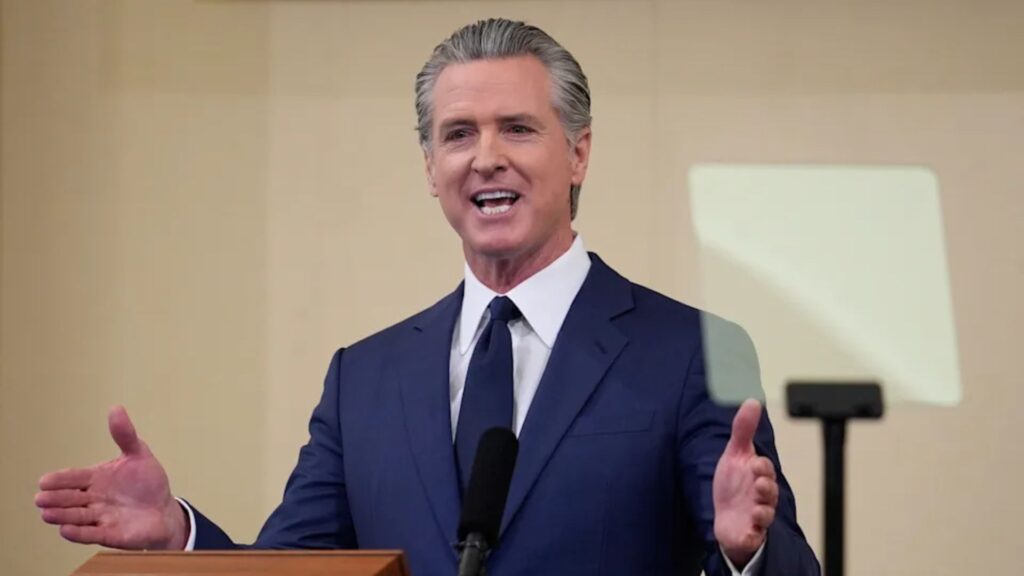
Newsom’s visibility and policy decisions have made him a nationally recognized political figure. While he has not formally declared any national campaign his public presence and leadership style often place him in discussions about broader political influence beyond California.
His record as governor has contributed to speculation about future national roles further amplifying attention on his leadership decisions.
The Future of California Governance
As Newsom approaches the end of his term due to term limits California prepares for political transition. The systems policies and priorities established during his administration will influence the direction of future leaders.
The next governor will inherit both the strengths and the ongoing challenges shaped during Newsom’s tenure ensuring his legacy remains part of California’s political conversation for years to come.
Conclusion
Gavin Newsom’s political journey from local leadership in San Francisco to the governorship of California demonstrates a blend of bold policymaking and pragmatic governance. His legacy includes fiscal stability environmental leadership public health initiatives and educational investment. While not without controversy his impact on California’s modern political and economic structure is undeniable.
FAQs
What positions has Gavin Newsom held?
He has served as Mayor of San Francisco Lieutenant Governor of California and Governor of California.
What are Newsom’s main policy priorities?
Economic opportunity environmental protection public health education and civil rights.
What defined Newsom’s 2026 budget proposal?
A balanced plan focused on protecting existing programs and strengthening financial reserves.
What criticisms has Newsom faced?
Housing affordability homelessness and public safety concerns.
Is Newsom expected to seek a national political role?
While not officially announced his national profile suggests potential future ambitions.
