
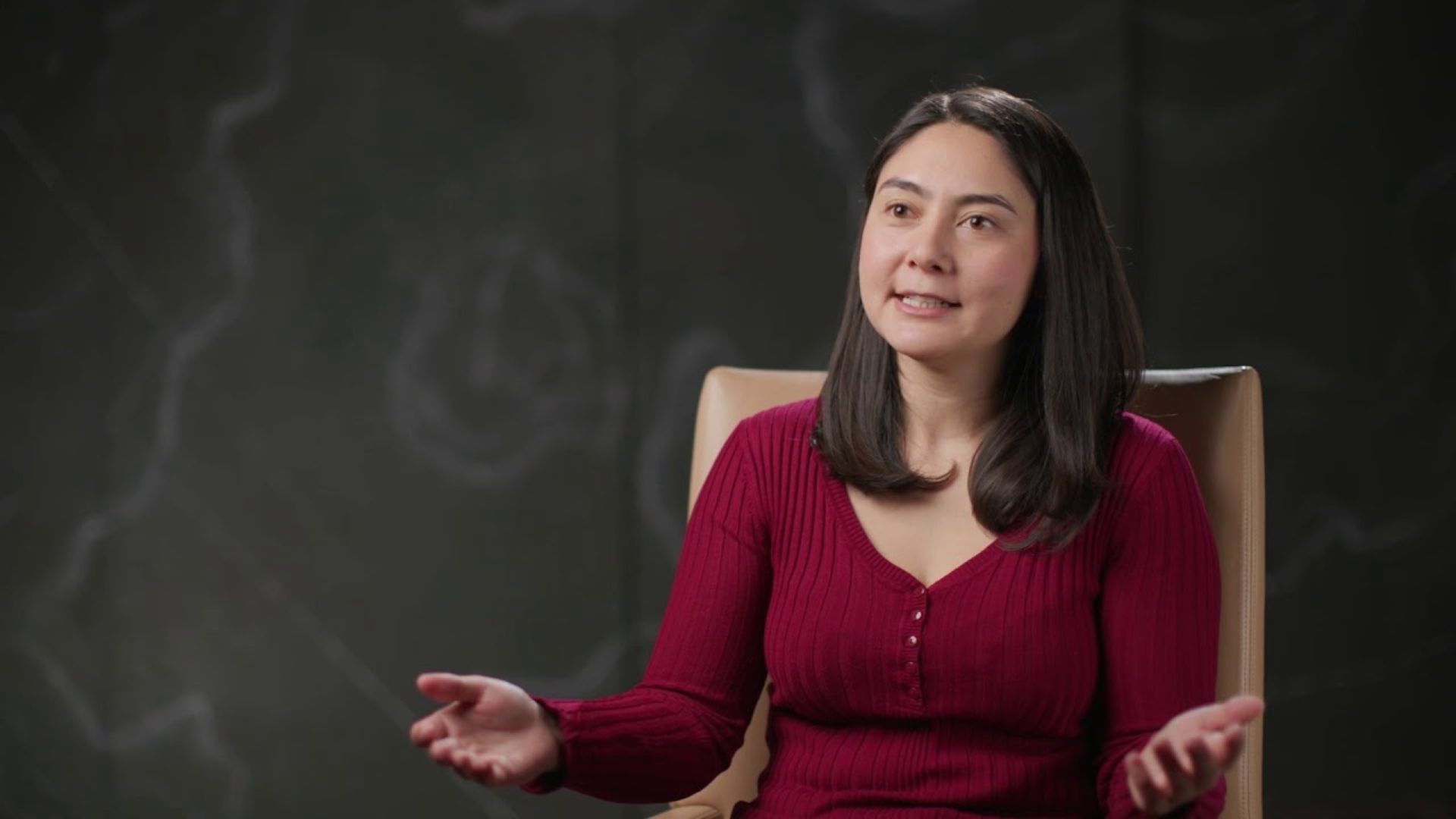
The name Erika Cheung has become closely associated with one of the most important ethical turning points in modern startup history. In an era where rapid innovation often outpaces regulation and oversight her experience serves as a powerful reminder that integrity must accompany ambition. What began as a routine job in a promising biotechnology company evolved into a defining moment that reshaped conversations around responsibility transparency and moral courage in entrepreneurial environments.
Her story is not simply about exposing wrongdoing. It is about the difficult personal decisions that professionals face when confronted with practices that conflict with their values. It is also about how one individual’s actions can influence industries investor thinking educational institutions and the broader culture of innovation.
Educational Background and Entry into Biotechnology
Before becoming widely known Erika Cheung followed a path common to many young professionals passionate about science. With formal education in laboratory sciences and a deep interest in healthcare technology she entered the biotech world motivated by curiosity and the desire to contribute to meaningful advancements. Like many early-career scientists she was drawn to startups where experimentation discovery and fast growth offered exciting opportunities.
This early stage of her career reflected optimism and trust in technological progress. She believed that scientific innovation when guided by proper standards could improve lives. That belief would later be tested in ways she never anticipated.
Working Inside Theranos
Cheung joined Theranos as a laboratory associate at a time when the company was widely praised for its ambitious promise to revolutionize blood testing. The startup claimed it could run hundreds of tests using only a small drop of blood a concept that attracted major investors partnerships and media attention.
Inside the laboratory however Cheung began to observe discrepancies between the public claims and the reality of the testing processes. She noticed inconsistent results workarounds that bypassed standard procedures and a culture that discouraged questions. Over time these observations formed a troubling pattern: the technology did not perform as advertised and patients could potentially receive inaccurate medical results.
This realization placed her in a difficult position. She was a junior employee in a fast-growing company led by powerful figures including founder Elizabeth Holmes. Raising concerns internally did not lead to meaningful change. Instead questions were often dismissed or redirected.
The Ethical Turning Point and Decision to Speak Up
The most defining moment in Cheung’s journey came when she had to decide whether to remain silent or take action. Many employees in similar situations choose to look away rationalize concerns or leave quietly. Cheung chose a different path.
She documented her observations and escalated them beyond internal channels. This was not a simple decision. It involved fear of retaliation professional uncertainty and emotional strain. Whistleblowing is rarely portrayed as it truly is: isolating stressful and deeply personal. Yet Cheung’s commitment to patient safety and scientific integrity outweighed the risks.
Her actions would later contribute to investigations that exposed the extent of the company’s misleading practices and ultimately led to legal and regulatory consequences.
The Whistleblowing Process and Its Consequences
Reporting concerns to authorities required persistence and courage. Cheung worked with regulators and investigators providing detailed accounts of laboratory practices and test reliability issues. Her testimony became a crucial part of understanding what had been happening behind the scenes.
The fallout from the Theranos scandal was enormous. The company dissolved executives faced legal accountability and the startup world was forced to confront uncomfortable questions about oversight hype and governance. For Cheung personally the process brought both recognition and stress. Whistleblowers often face emotional exhaustion and career disruption yet she remained committed to speaking publicly about the lessons learned.
Her experience highlighted the need for stronger protections for employees who raise ethical concerns and demonstrated how organizational culture can suppress necessary dissent.
From Lab Assistant to Ethics Advocate
Rather than distancing herself from the startup ecosystem Cheung decided to help improve it. She realized that the problem was not limited to a single company but reflected broader patterns in how startups operate under pressure to grow quickly and impress investors.
She began advocating for structural changes in how companies think about ethics from the earliest stages. This shift marked her transition from whistleblower to thought leader. She spoke at conferences participated in educational programs and collaborated with founders and investors who wanted to build more responsible organizations.
Founding Ethics in Entrepreneurship
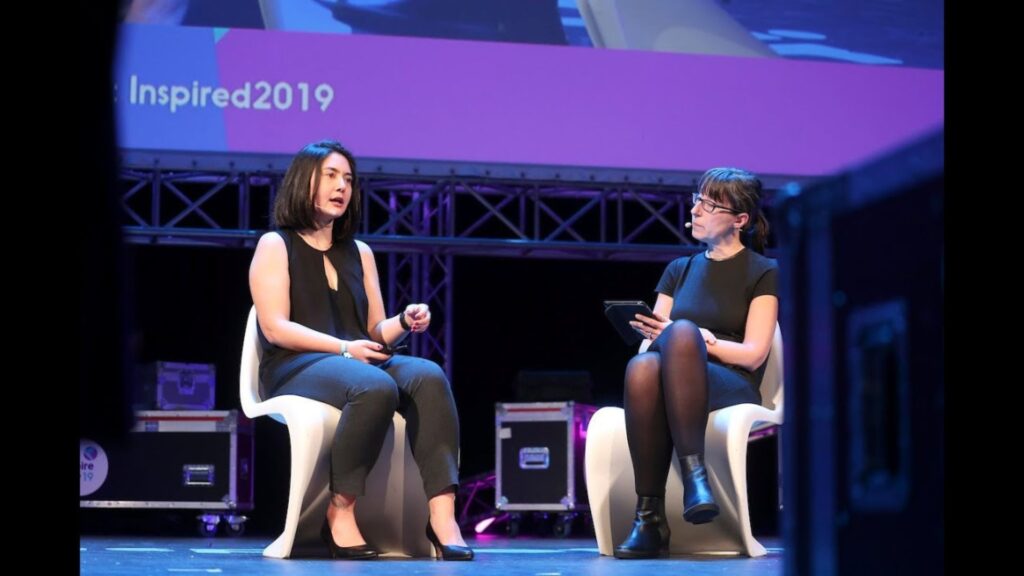
To formalize this mission Cheung co-founded Ethics in Entrepreneurship, a nonprofit organization dedicated to embedding ethical thinking into startup culture. The organization works with accelerators, universities venture capital firms and founders to encourage open dialogue about risk accountability and moral responsibility.
The goal is not to slow down innovation but to ensure that growth does not come at the expense of safety or honesty. Workshops mentorship programs and educational resources help entrepreneurs identify ethical blind spots before they become serious problems.
This initiative reflects Cheung’s belief that ethics should be proactive rather than reactive.
Influence on Startup Culture Investors and Founders
Cheung’s influence now extends far beyond her original experience. Investors increasingly recognize that ethical governance is tied to long-term sustainability. Founders are more willing to discuss internal reporting channels and transparent processes. Startup incubators include ethics discussions in their training programs.
Her message is clear: a company’s culture is shaped early and ignoring warning signs can have devastating consequences. By sharing real-world examples she helps organizations understand that ethical shortcuts can destroy trust reputations and entire enterprises.
Public Speaking Advisory Work and Global Impact
Cheung is now a sought-after speaker and adviser. She works with academic institutions policy groups and entrepreneurial networks to promote responsible innovation. Her talks often focus on practical strategies for encouraging employees to voice concerns safely and for leaders to listen without defensiveness.
Her work resonates globally because the challenges she addresses are universal. Rapid technological growth is happening across industries and ethical oversight is often an afterthought. Cheung’s advocacy encourages a shift in mindset: responsibility must grow alongside capability.
Lessons for Modern Innovators and Organizations
Several key lessons emerge from Cheung’s journey:
- Encourage open communication within teams
- Take internal concerns seriously regardless of hierarchy
- Build reporting mechanisms that protect employees
- Align innovation with scientific and moral standards
- Understand that reputation depends on integrity
Organizations that adopt these principles are better prepared to grow sustainably and maintain public trust.
FAQs
Who is Erika Cheung?
Erika Cheung is a biotechnology professional and ethics advocate known for exposing serious issues inside Theranos and later promoting ethical practices in startups.
What role did she play at Theranos?
She worked as a laboratory associate and raised concerns about unreliable testing practices that could affect patient safety.
Why is her whistleblowing significant?
Her actions contributed to exposing one of the most prominent cases of misconduct in startup history and sparked broader discussions about accountability.
What is Ethics in Entrepreneurship?
It is a nonprofit organization co-founded by Cheung to help startups embed ethical thinking into their culture from the beginning.
What can startups learn from her experience?
Startups can learn the importance of transparency listening to employees and ensuring that innovation does not compromise safety or honesty.
