
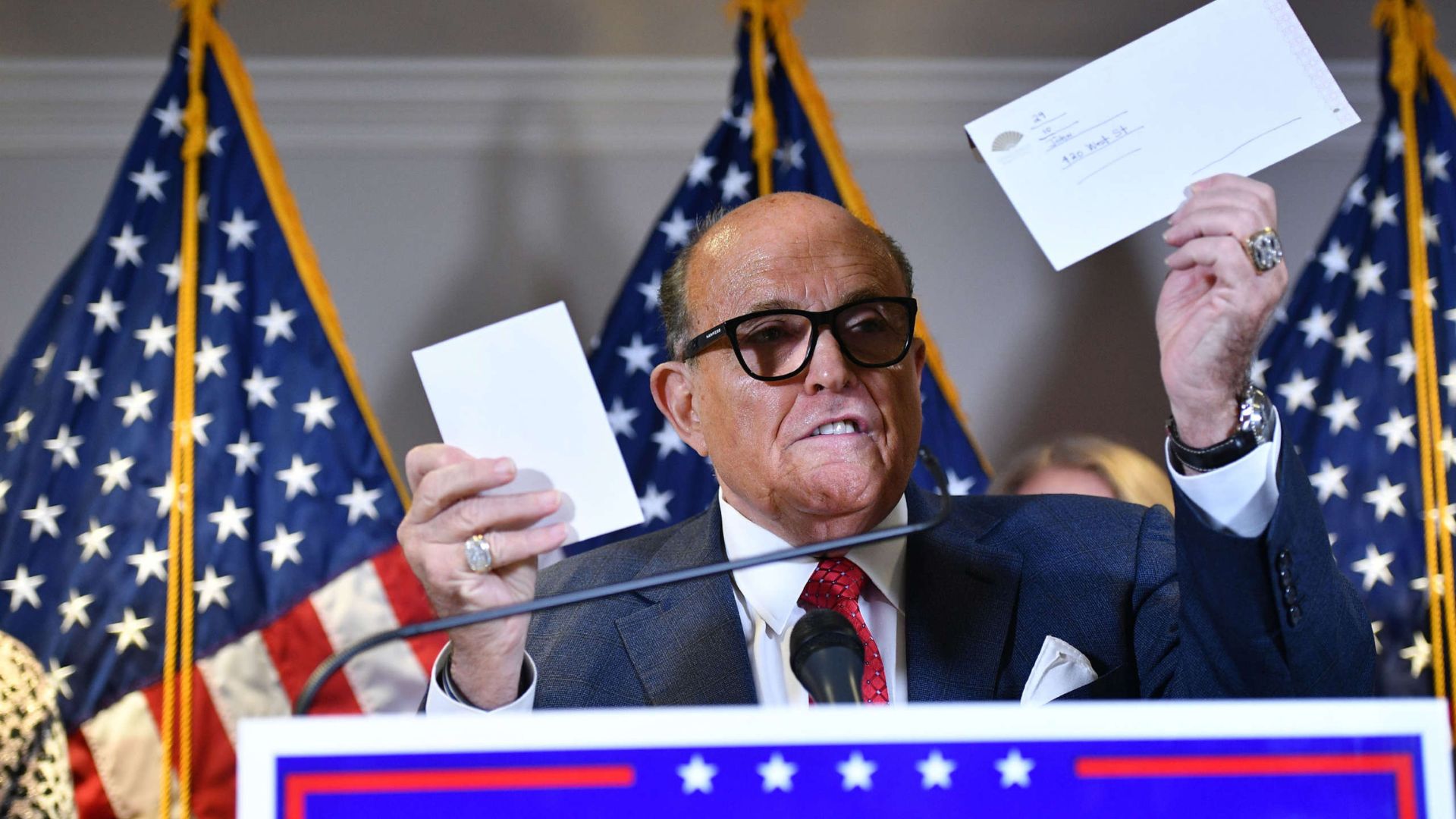
Rudy Giuliani remains one of the most discussed public figures in modern American political history. Once praised as “America’s Mayor” for his crisis leadership, he later became a subject of controversy due to political and legal battles. His long public journey reflects both remarkable achievement and significant criticism, making his story one of dramatic transformation in public life.
Early Life Education and Legal Career
Born on May 28 1944 in Brooklyn New York Giuliani grew up in a working-class family with strong discipline and religious values. He completed his undergraduate education at Manhattan College and later graduated magna cum laude from New York University School of Law. His early career as a federal prosecutor shaped his reputation as a determined and ambitious legal mind.
He worked on corruption cases, organized crime investigations, and financial fraud prosecutions, earning recognition for his aggressive legal strategy. These experiences built the foundation for his future leadership roles in both law and politics.
Rise as U.S. Attorney and Entry into Politics
Giuliani’s appointment as U.S. Attorney for the Southern District of New York brought him into the national spotlight. He pursued high-profile cases against organized crime networks and white-collar criminals. His courtroom presence and media visibility helped establish a public image of strict law enforcement and administrative discipline.
After years in federal service, Giuliani transitioned into politics, eventually running for Mayor of New York City. Although he lost his first attempt, he succeeded in 1993 and began reshaping the city’s administrative direction.
Mayoral Tenure in New York City (1994–2001)
Crime Policy and Governance
As mayor of New York City, Giuliani prioritized crime reduction, fiscal reform, and city management. His administration supported strict policing policies aimed at improving public safety. During his term, crime rates fell significantly, and many residents credited his policies with improving daily life.
He also introduced budget reforms, reduced city spending, and pushed for accountability across public departments. These changes improved city efficiency but also created debate over their social impact.
Reforms and Public Debate
Giuliani’s leadership style was firm and sometimes confrontational. His policies sparked discussions about civil liberties, policing fairness, and social equity. While many praised his decisive governance, critics argued that some actions disproportionately affected vulnerable communities. Despite this, he won re-election in 1997, demonstrating strong public support at the time.
Leadership During the September 11 Attacks
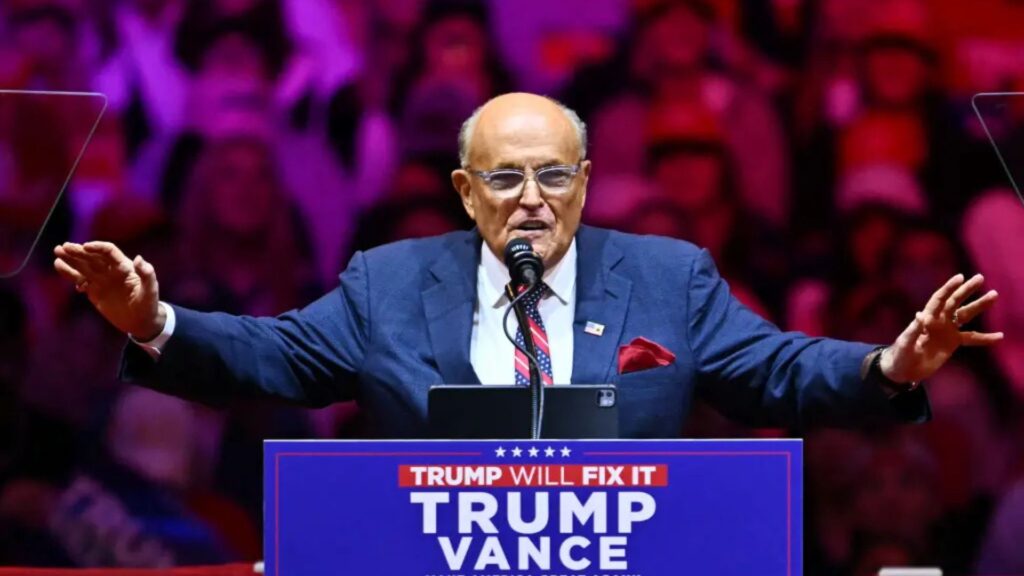
The defining moment of Giuliani’s career came during the September 11, 2001 terrorist attacks. As mayor, he provided visible leadership, coordinated emergency responses, and communicated calmly with the public during national tragedy. His presence during the crisis earned him widespread admiration across political lines.
This period led to the nickname “America’s Mayor,” as his leadership symbolized resilience and unity during one of the darkest moments in U.S. history.
Post-Mayoral Career and National Political Role
After leaving office, Giuliani sought a larger national role. He ran for the Republican presidential nomination in 2008 but withdrew before major primaries. Later, he became a close advisor and legal representative for Donald Trump, keeping him in the public spotlight.
His involvement in national political debates, particularly around election processes, brought renewed attention and intense scrutiny.
Legal Challenges and Public Controversies
In recent years, Giuliani faced legal challenges related to his political advocacy. Professional disciplinary actions, lawsuits, and court rulings reshaped his public image. Supporters described his actions as political loyalty, while critics viewed them as legal overreach.
These developments marked a significant shift from his earlier reputation as a celebrated law enforcer and crisis leader.
Media Portrayal and Public Opinion
Over decades, media portrayals of Giuliani shifted dramatically. Early coverage praised his leadership and crime-fighting approach, while later narratives focused on political conflict and legal troubles. This contrast contributed to a divided public perception.
His story became a reflection of how public figures evolve in the face of changing political climates and personal choices.
Recent Health Issues and Public Response
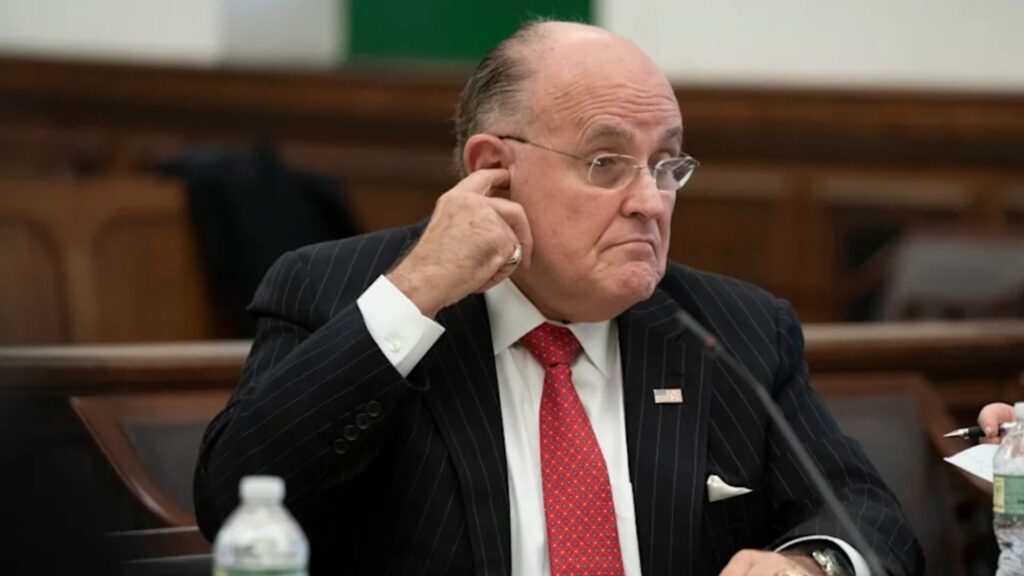
Recent reports about Giuliani’s health, including hospitalization due to pneumonia complications, brought renewed public attention. Political figures and observers reflected on his long career, acknowledging both his achievements and controversies. Public reactions showed how deeply his life has been woven into American political memory.
Legacy in American Public Life
The legacy of Rudy Giuliani is complex. He is remembered as a strong mayor who led during crisis, a prosecutor who fought organized crime, and a political figure who later became deeply controversial. His journey shows how leadership, reputation, and public opinion can evolve dramatically over time.
FAQs
Who is Rudy Giuliani?
Rudy Giuliani is an American lawyer and politician who served as Mayor of New York City from 1994 to 2001.
Why is he called “America’s Mayor”?
He earned this title for his visible leadership during the September 11, 2001 attacks.
What was his main focus as mayor?
Crime reduction, fiscal reform, and administrative efficiency.
What controversies has he faced?
Legal and professional challenges related to his political involvement in recent years.
How is his legacy viewed today?
As a mixture of admired crisis leadership and later political controversy.
