
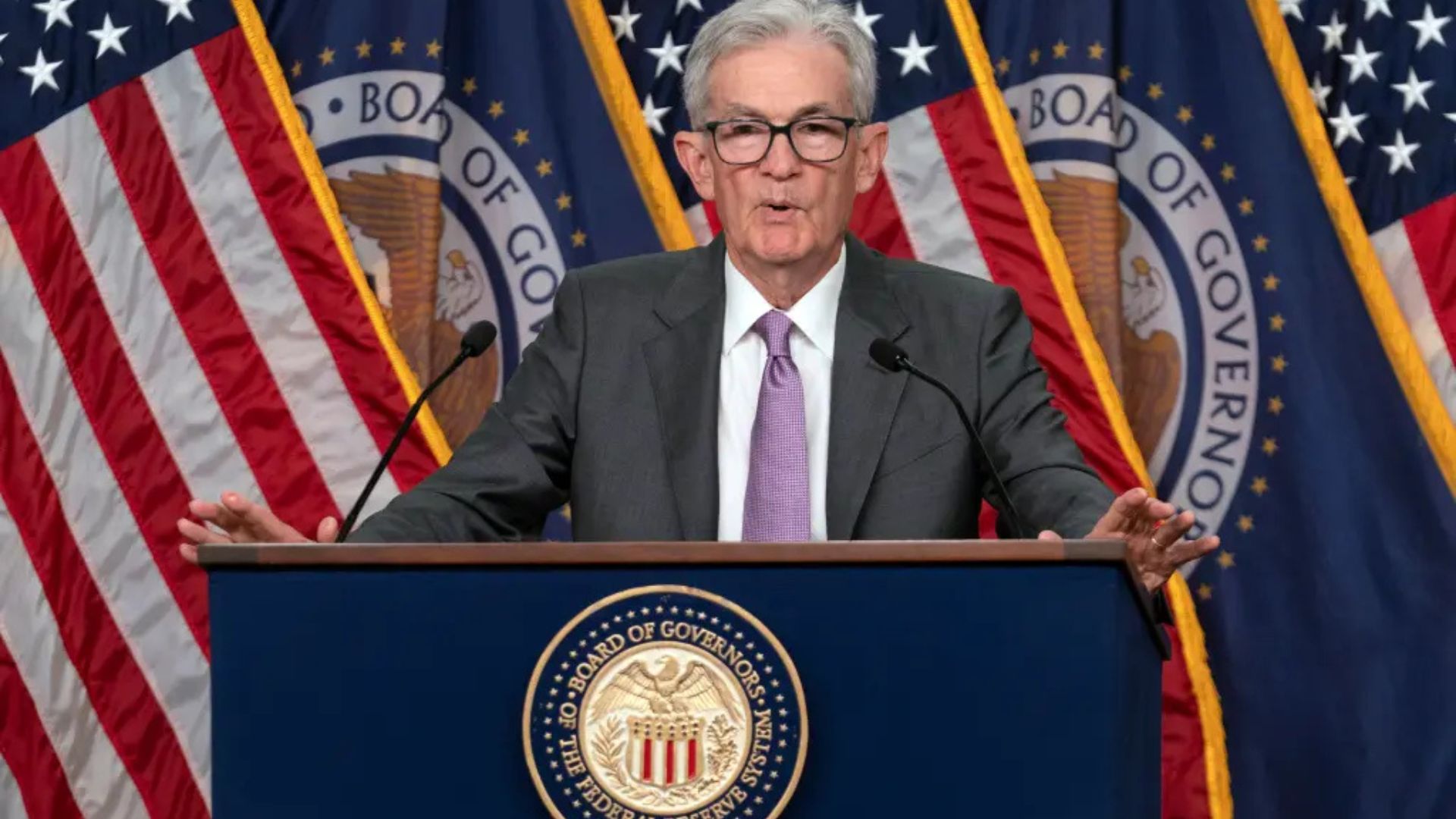
Jerome Powell stands as one of the most influential figures in modern economic policy. Serving as the 16th Chair of the Federal Reserve the central bank of the United States Powell’s tenure has coincided with some of the most challenging economic environments of the 21st century. His leadership has shaped key decisions influencing inflation employment and financial stability in the United States and beyond. This article provides a comprehensive and informative look at his life career leadership at the Federal Reserve and the economic legacy he leaves behind.
Early Life and Career Path
Jerome Hayden Powell was born on February 4, 1953, in Washington D.C. Growing up in a family connected to law and mathematics he developed analytical thinking from an early age. He attended Princeton University where he earned a degree in politics and later completed his law studies at Georgetown University Law Center.
After beginning his career as a lawyer he moved into investment banking and finance gaining practical experience in financial markets. Powell also served in the U.S. Treasury Department during the early 1990s where he worked on domestic financial policy and regulation. This combination of legal training financial sector knowledge and public service prepared him for a future role in economic governance.
Rise to the Federal Reserve Leadership
Powell joined the Federal Reserve Board of Governors in 2012 after receiving bipartisan support for his nomination. During his time on the board he built a reputation as a careful and data-focused policymaker. In 2018 he became Chair of the Federal Reserve assuming responsibility for guiding monetary policy supervising banking institutions and ensuring financial stability.
This leadership position placed him at the center of economic decision-making at a time when global markets were highly sensitive to policy shifts. His communication style steady tone and emphasis on long-term stability became defining traits of his leadership.
Powell’s Tenure as Federal Reserve Chair
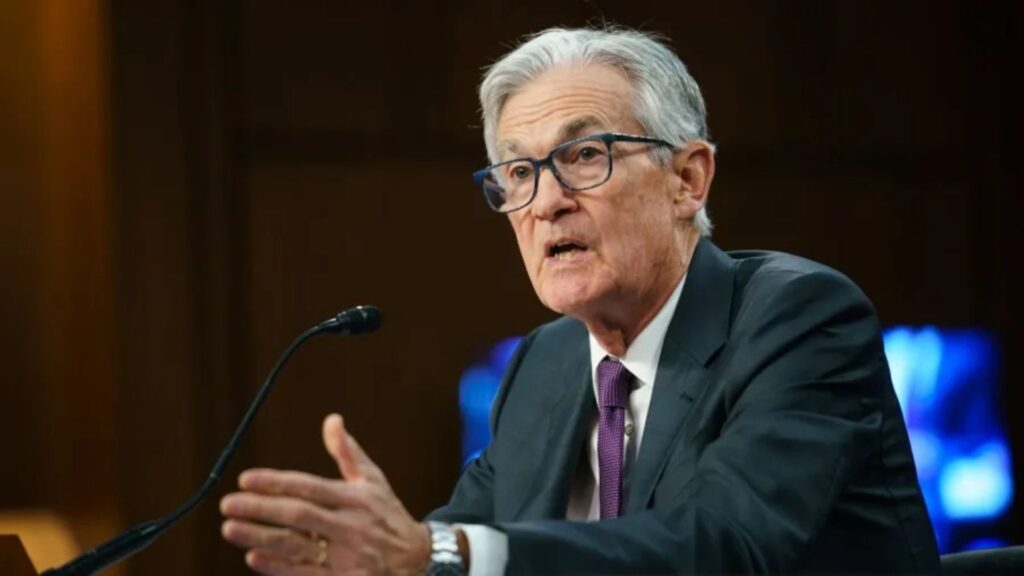
From the beginning of his term Powell faced complex economic conditions. One of the most serious challenges emerged during the global health crisis that disrupted economic activity across industries. In response the Federal Reserve reduced rates to near zero and implemented measures to maintain liquidity in financial markets.
As the economy began to recover a new challenge appeared in the form of rising inflation. Powell and his team shifted policy direction to address price pressures while aiming to avoid harming employment growth. This period required delicate adjustments and frequent reassessment of economic data to determine the right course of action.
Key Policy Actions and Economic Landscape
Under Powell’s leadership the Federal Reserve focused on its dual mandate: stable prices and maximum employment. When inflation rose sharply the central bank responded with a series of rate increases intended to reduce demand and bring price growth under control.
At the same time Powell emphasized clear communication with the public and financial markets. He frequently explained the reasoning behind policy decisions which helped maintain trust and reduce uncertainty. These actions influenced borrowing costs investment decisions and consumer behavior across the economy.
Institutional Independence and Political Pressure
Throughout his leadership Powell navigated political commentary and pressure related to monetary decisions. Despite these challenges he consistently reinforced the idea that central bank policies must remain independent from political agendas. This commitment to institutional autonomy helped preserve the credibility of the Federal Reserve during a period of intense scrutiny.
By focusing on economic data rather than political signals Powell reinforced the principle that monetary decisions should serve long-term stability rather than short-term interests.
Transition of Leadership and Legacy
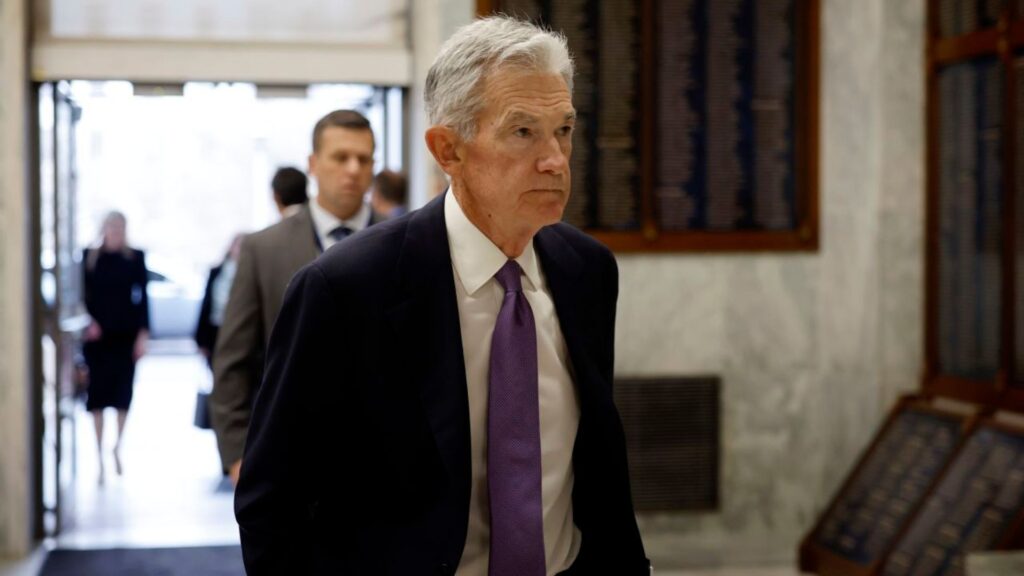
As Powell’s term as Chair approached its scheduled conclusion discussions about his legacy became more prominent. His time in leadership is often associated with navigating crisis conditions, responding to inflation challenges, and defending central bank independence.
Even after completing his term as Chair, Powell remained involved in the Federal Reserve’s work, demonstrating his ongoing commitment to institutional continuity and economic governance.
Jerome Powell’s Influence on Monetary Policy
Jerome Powell’s decisions affected not only the United States but also global financial markets. Central banks investors and policymakers around the world closely observed his actions and statements. His approach to policy emphasized balance patience and reliance on data rather than quick reactions.
This measured approach influenced global expectations about how central banks should respond to economic disruptions and inflationary periods.
Conclusion
Jerome Powell’s career reflects a blend of legal knowledge financial expertise and public service. His leadership at the Federal Reserve during extraordinary economic periods highlights the importance of steady decision-making and institutional independence. His influence on monetary policy and economic stability will remain an important chapter in modern financial history.
FAQs
Who is Jerome Powell?
Jerome Powell is an American attorney and central banker who served as the 16th Chair of the Federal Reserve.
What challenges did he face as Chair?
He managed economic disruptions rising inflation and financial market instability during his tenure.
How did he address inflation?
He guided the Federal Reserve to raise rates and adjust policies to reduce price pressures.
Why is central bank independence important?
It ensures monetary decisions are based on economic needs rather than political influence.
What is his lasting impact?
His leadership during uncertain times and his focus on stability shaped modern monetary policy approaches.
