
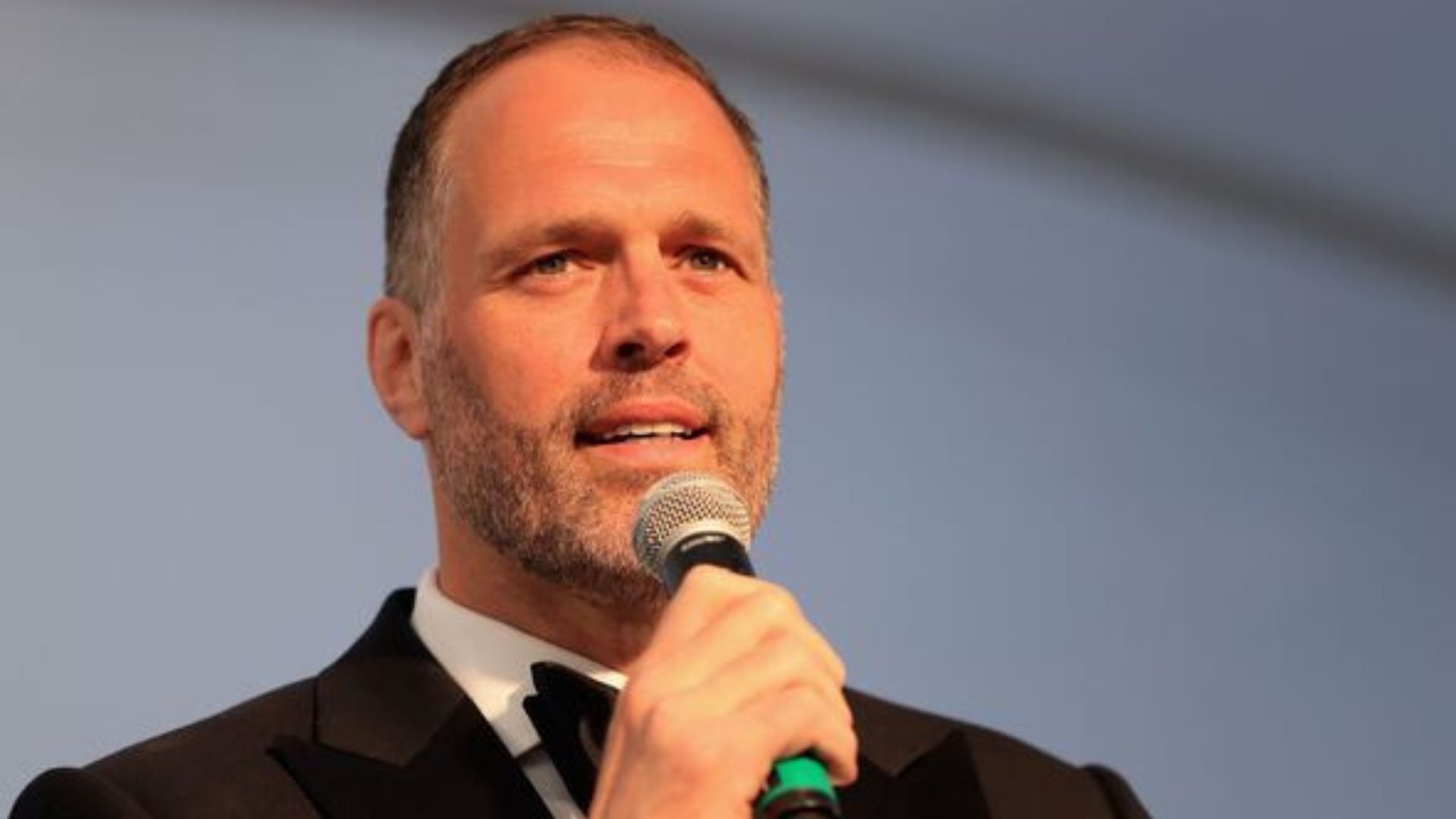
Martin Bayfield is widely recognized as one of the most distinctive figures in English rugby history. Standing at an imposing 6 feet 10 inches tall, he became famous not only for his physical presence on the field but also for his intelligence, leadership, and later success as a broadcaster and public speaker. His journey from police officer to international rugby player and then into media is a rare and inspiring career path that continues to interest sports fans and professionals alike.
The story of martin bayfield is not only about sport. It is about discipline, reinvention, and the ability to build a second successful career after professional athletics. His life offers valuable lessons on adaptability, resilience, and leadership.
Early Life and Background
Born on December 21, 1966, in Bedford, England, martin bayfield grew up in an environment where sport and community values were strongly connected. From a young age, his height set him apart. However, it was not only his size that shaped his future; it was also his work ethic and grounded personality.
During his school years, he developed a love for rugby while also maintaining a serious focus on education and public service. These dual interests would later define the unusual start to his professional life.
Police Career Before Professional Rugby
Before entering elite rugby, martin bayfield served as a police officer. He joined the Metropolitan Police in the mid-1980s and later served in Bedfordshire. Balancing the demands of law enforcement with training and club rugby required exceptional discipline.
This period built the mental toughness and leadership qualities that later defined his style of play. His time in the police force also shaped his communication skills and sense of responsibility, traits that would later help him transition into broadcasting and public speaking.
Rise in Club Rugby
Bayfield’s rugby abilities became impossible to ignore as he progressed through club competitions. He played for Bedford Blues and later for Northampton Saints, where he developed into a dominant lock forward.
His combination of reach, strength, and tactical awareness made him highly effective in lineouts and scrums. Coaches and selectors quickly noticed his reliability and consistency, which opened the door to international selection.
England International Career and Grand Slam Success
In 1991, martin bayfield earned his first cap for the England national rugby union team. Over the next several years, he became a regular feature in England’s forward pack.
One of the biggest achievements of his international career came in 1992 when England secured the Five Nations Grand Slam. This victory remains a proud chapter in English rugby history, and Bayfield played a key role through his physical dominance and teamwork.
Between 1991 and 1996, he earned 31 caps for England. Although he was not known for scoring, his contribution in set pieces and defensive work made him invaluable to the team structure.
British & Irish Lions Tour and Global Recognition
A major honor in rugby is selection for the British & Irish Lions. Martin bayfield achieved this in 1993 when he toured New Zealand with the elite squad.
Competing at this level placed him among the best players from England, Scotland, Wales, and Ireland. Playing test matches on that tour confirmed his reputation as a world-class forward capable of performing under intense international pressure.
He also represented England during the 1995 Rugby World Cup, further strengthening his global profile.
Career-Ending Injury and New Direction
In 1998, a serious neck injury during training forced martin bayfield into early retirement. For many athletes, such an event can be devastating. However, Bayfield approached this challenge with the same resilience that defined his rugby career.
Rather than stepping away from public life, he redirected his energy into media, communication, and public engagement.
Broadcasting Presenting and Public Work
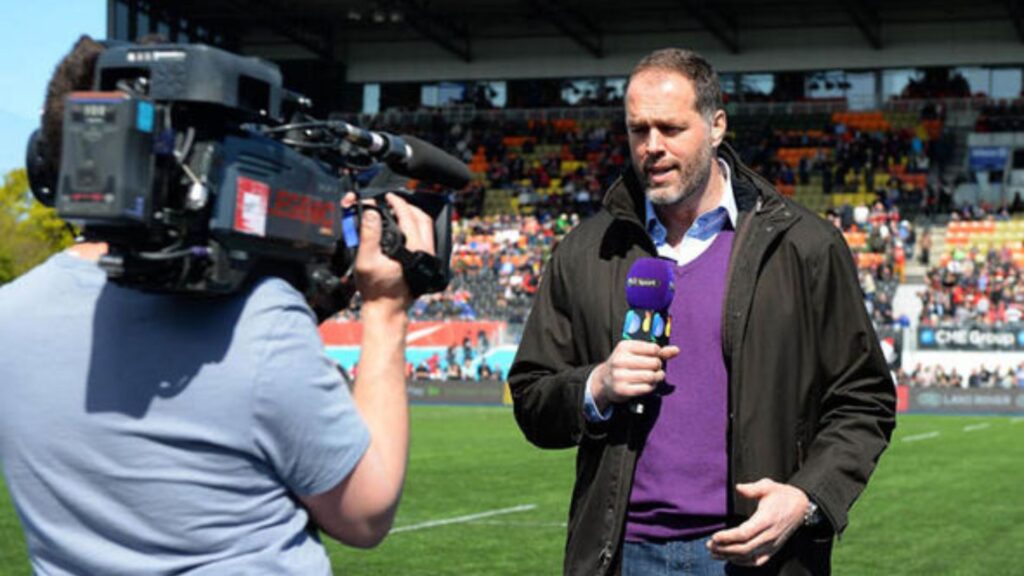
After retiring, martin bayfield moved into broadcasting and quickly became a respected voice in sports media. His deep understanding of rugby, combined with his commanding presence and articulate communication style, made him a natural presenter.
He has worked as a rugby correspondent, event presenter, and television personality. His ability to explain complex aspects of the sport in a clear and engaging way earned him credibility with both fans and professionals.
This second career demonstrated that athletic success can evolve into long-term professional relevance beyond the playing field.
Leadership Speaking and Community Influence
Martin bayfield is also a popular motivational and corporate speaker. He shares lessons on teamwork, leadership, and overcoming setbacks, drawing from his unique life journey through policing, professional sport, injury, and reinvention.
He regularly participates in community initiatives and youth development programs, encouraging participation in sport and promoting personal discipline.
His life story resonates with audiences far beyond rugby because it highlights adaptability and personal growth.
Legacy in Rugby History
The legacy of martin bayfield extends beyond statistics and match appearances. He represents a generation of rugby players who competed during the transition toward the modern professional era of the sport.
His influence continues through media, mentoring, and public engagement. Many rugby fans remember him not only for his height and presence but also for his professionalism and intelligence on the field.
Today, he remains an important ambassador for rugby and an example of how athletes can build meaningful careers after retirement.
FAQs
Who is martin bayfield?
Martin bayfield is a former England rugby union player, broadcaster, and public speaker known for his impact on rugby and media.
How tall is martin bayfield?
He is 6 feet 10 inches (2.09 meters) tall.
Which clubs did martin bayfield play for?
He played for Bedford Blues and Northampton Saints during his club career.
What was his biggest rugby achievement?
Winning the 1992 Five Nations Grand Slam with England and touring with the British & Irish Lions in 1993.
Why did he retire from rugby?
A serious neck injury in 1998 forced him to retire early.
