
Real Madrid is not just a football club—it’s a symbol of sporting prestige, global influence, and a relentless pursuit of excellence. Since its foundation in the early 20th century, the club has become an emblem of success, winning titles across domestic and international competitions and establishing a culture of winning that rivals any in the world of sports. This article explores the history, philosophy, achievements, and influence of Real Madrid, shedding light on what makes the club one of the most revered institutions in global football.
Origins and Early Years
Real Madrid Club de Fútbol was established on March 6, 1902, in the Spanish capital. From its early days, the club adopted a spirit of ambition and ambition that set the stage for its long history of success. The founders were a group of football enthusiasts who envisioned a club that could compete at the highest level. In its formative years, Real Madrid participated in regional competitions and slowly built a reputation as a strong team in Spanish football.
A defining moment in the club’s early history came in 1920 when King Alfonso XIII granted the title “Real,” meaning “Royal,” to the club. This royal patronage not only boosted the club’s prestige but also helped it attract talent and support across Spain. Throughout the 1920s and 1930s, Real Madrid grew in stature and popularity, laying the foundation for the dominant force it would become in the later decades.
Rise to National Dominance
The establishment of the Spanish national league, La Liga, in 1929 marked a turning point in Spanish football. Real Madrid was one of the founding members of La Liga and quickly asserted itself as a powerful contender. The club’s first league title came in the 1931–32 season, signaling the beginning of a long and storied presence at the top of Spanish football.
In the following decades, Real Madrid continued to compete fiercely, developing rivalries that would define its identity. Matches against Barcelona, known as “El Clásico,” became some of the most anticipated fixtures in the football calendar. These encounters not only showcased top-level football but also reflected cultural and regional dynamics in Spain.
Real Madrid’s success was not only measured in league titles; it was the consistency and quality of performance that set the club apart. By cultivating talented players and emphasizing disciplined play, Real Madrid built a reputation as a team that never backed down, regardless of the opponent or the stakes.
European Glory and the Birth of a Dynasty
The mid-20th century marked Real Madrid’s rise beyond national competition and into continental dominance. With the creation of the European Cup in 1955—the predecessor to today’s UEFA Champions League—clubs across Europe competed to determine the best team on the continent. Real Madrid seized this opportunity like no other.
Under the leadership of visionary figures both on and off the pitch, Real Madrid won the first five editions of the European Cup from 1956 to 1960. Players like Alfredo Di Stéfano, Ferenc Puskás, Francisco Gento, and Paco Buyo became legends, dazzling fans with their skill, determination, and flair. This era of dominance not only solidified Real Madrid’s status in Europe but also transformed the club into a global powerhouse.
The team’s ability to continually perform at the highest level, especially in European competition, became a defining characteristic of Real Madrid’s identity. Winning continental titles required a blend of tactical sophistication, mental toughness, and individual brilliance—traits the club embodied with remarkable consistency.
Domestic Success and Continued Innovation
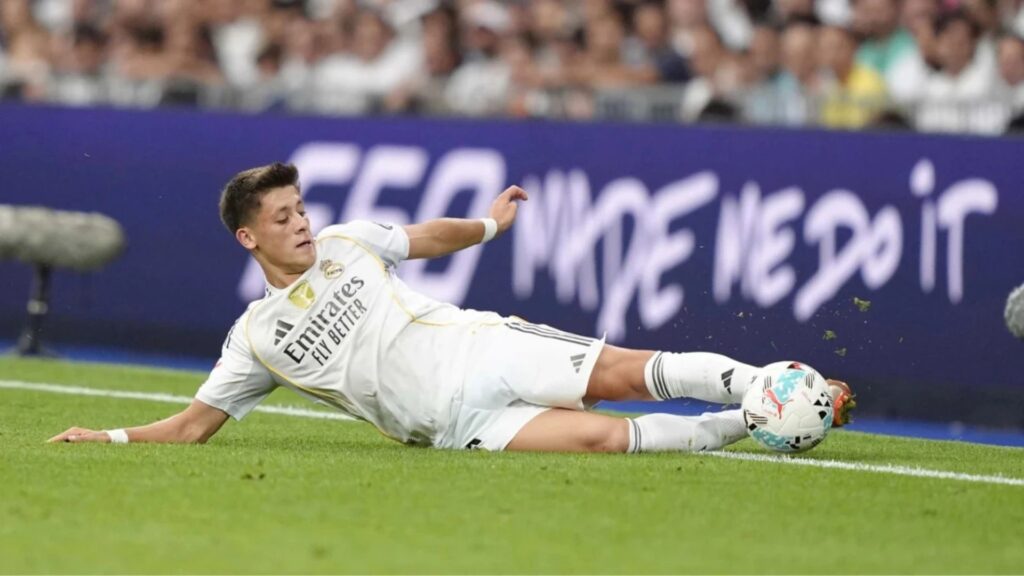
Alongside its European conquests, Real Madrid remained a dominant force in Spanish football. The club claimed numerous La Liga titles, competing fiercely with rivals like Barcelona and Atlético Madrid. The success in domestic leagues demonstrated the club’s depth and adaptability, as it adjusted to changes in the sport while maintaining high standards.
Throughout different eras, Real Madrid embraced tactical innovation, shifting styles of play to reflect modern trends while preserving the core values of hard work and commitment. Coaches and managers brought new philosophies, from attacking flair to disciplined defense, ensuring the club stayed competitive across all fronts.
The club’s youth academy, known as La Fábrica, also played a crucial role in sustaining success. By developing talented young players, Real Madrid maintained a blend of homegrown talent and international stars. This approach not only reinvigorated the squad over time but also connected the club to new generations of fans.
Galácticos Era Star Power and Global Appeal
In the late 1990s and early 2000s, Real Madrid entered a period known as the “Galácticos” era. The club pursued a bold strategy of signing some of the world’s most famous and talented players. The idea was not just to build a winning team, but to create a brand that transcended sports.
Superstars like Luís Figo, Zinedine Zidane, Ronaldo Nazário, and David Beckham donned the iconic white kit, captivating audiences worldwide. Their presence elevated Real Madrid’s international profile, turning matches into global events and sparking fan followings in every corner of the world.
While the Galácticos era had mixed results in terms of trophies, its impact on the club’s identity and global reach was undeniable. Real Madrid became synonymous not just with excellence on the pitch, but with prestige, glamour, and worldwide influence. The club’s brand grew exponentially, attracting sponsorships, partnerships, and fans on an unprecedented scale.
Modern Era Maintaining Excellence
In recent years, Real Madrid has continued to define excellence in football. The club has balanced tradition with modernity, combining experienced leaders with emerging talent. Strategic signings and strong leadership have kept Real Madrid competitive in both La Liga and European competitions.
One of the club’s most remarkable achievements in modern football has been its success in the UEFA Champions League. Real Madrid holds the record for the most Champions League titles, a testament to its enduring quality and competitive spirit. Victories in this tournament solidify the club’s legacy and demonstrate its ability to perform under pressure on the biggest stage.
Real Madrid’s approach today reflects a blend of lessons from its history: focus on talent development, commitment to tactical excellence, and the ability to evolve with the changing landscape of football. This balance ensures that the club remains relevant and continues to compete with the best teams in the world.
Culture Identity and Fan Base
At the heart of Real Madrid’s success is its culture—a commitment to greatness that permeates every level of the organization. From players and coaches to staff and supporters, the spirit of ambition and resilience is deeply rooted.
Real Madrid’s fans are among the most passionate in the world. The club’s supporters span the globe, with fan groups in countless countries and millions of followers on social platforms and in communities worldwide. This global fan base is a reflection of the club’s reach and influence, transcending geographical and cultural boundaries.
The club’s home stadium, known for its electric atmosphere, becomes a fortress where supporters rally behind the team. Match days bring energy, tradition, and collective identity, creating an environment that inspires players and connects people from all walks of life.
Economic Impact and Global Influence
Real Madrid’s influence goes beyond the football pitch. The club is a major economic force in the sports industry, generating revenue through broadcasting rights, merchandise sales, sponsorships, and commercial ventures. Its financial success allows for investment in infrastructure, player development, and competitive squads.
Moreover, Real Madrid’s brand influences culture, fashion, and global business. The club’s emblem and white kit are instantly recognizable symbols of sporting excellence. Partnerships with major global corporations and presence in international marketing campaigns further enhance the club’s global footprint.
Real Madrid also plays a role in charitable endeavors and community engagement. Through its foundation and outreach programs, the club contributes to social causes, supporting education, health initiatives, and access to sports for youth around the world.
Challenges and the Path Forward
Despite its rich history and achievements, Real Madrid faces continuous challenges. Football is ever-evolving, with emerging teams, tactical innovations, and financial changes shaping the competitive landscape. To remain at the top, Real Madrid must continue adapting—identifying talent, refining strategies, and embracing innovation.
The club’s leadership plays a crucial role in navigating these challenges. Decision-making at the administrative level affects recruitment, coaching appointments, and long-term vision. With the right balance of experience and forward-thinking, Real Madrid aims to sustain its legacy while shaping the future of the sport.
Conclusion A Legacy Like No Other
Real Madrid stands as a monument in the world of football—a club whose history is woven into the fabric of the sport itself. From early beginnings to European dominance, from the Galácticos to modern champions, the club has epitomized excellence at every stage. Its success is not merely measured in trophies, but in the passion it inspires, the standards it sets, and the influence it wields globally.
For fans and football enthusiasts alike, Real Madrid represents the pinnacle of achievement—a testament to what can be accomplished with unwavering dedication, strategic vision, and a relentless desire to win.
FAQs
When was Real Madrid founded?
Real Madrid was founded on March 6, 1902. Since then, it has grown into one of the most successful and recognized football clubs in the world.
What does “Real” mean in Real Madrid?
“Real” means “Royal” in Spanish. The title was granted to the club by King Alfonso XIII in 1920, enhancing its prestige and historical identity.
How many times has Real Madrid won the UEFA Champions League?
Real Madrid holds the record for the most UEFA Champions League titles. Their success in this competition highlights their status as a dominant force in European football.
What is the significance of the Galácticos era?
The Galácticos era, spanning the late 1990s and early 2000s, was characterized by the signing of global superstar players. This strategy elevated the club’s global brand and attracted international attention.
What role does Real Madrid’s youth academy play?
Real Madrid’s youth academy, La Fábrica, focuses on developing young talent. It has been instrumental in producing players who contribute to the club’s long-term success and sustainability. https://omnexa.it.com/
